


How Technology is Transforming the Nation’s Future (governance, business, and society)
Discover how Digital India is transforming governance, economy, and daily life through AI, fintech, digital payments, and smart infrastructure. A deep analysis of India’s digital revolution.
The Rise of Digital India
India is witnessing one of the most remarkable digital transformations in modern history. Over the past decade, technology has moved from being a luxury to becoming a necessity that touches nearly every aspect of life. From rural farmers using mobile apps for crop pricing to urban professionals managing entire businesses online, the Digital India revolution is reshaping the country’s economic and social landscape.
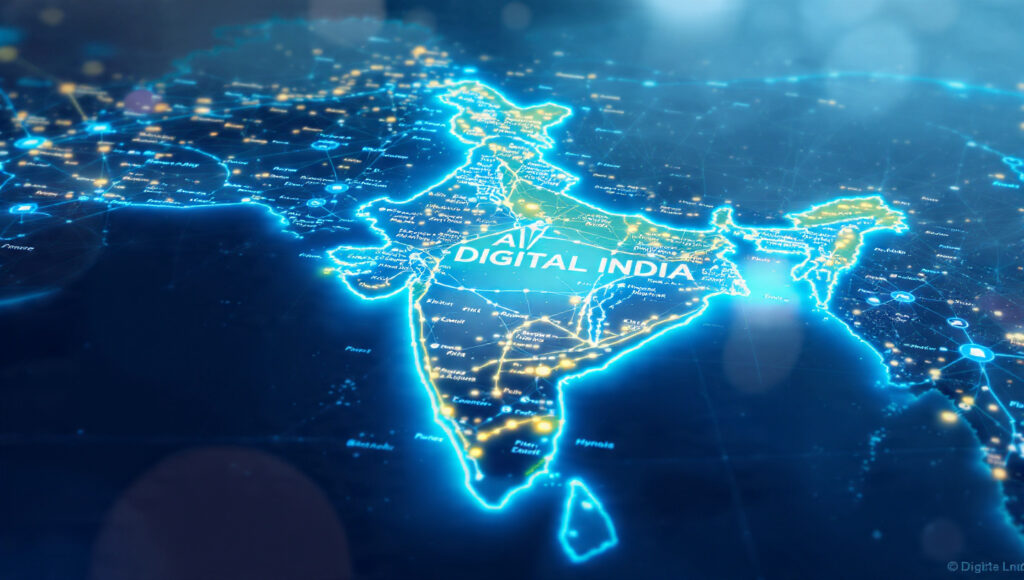
What once seemed like a distant dream—paperless governance, digital payments for roadside vendors, AI-powered public services—is now becoming reality. The rise of Digital India is not just about technology; it is about empowering citizens, improving governance, startups, ongoing business and creating opportunities for millions in various ways.
This article explores the rise of Digital India, its impact, the latest trends driving it, and what the future holds.
What is Digital India?

Digital India is a flagship initiative launched by the Government of India in 2015 to transform India into a digitally empowered society and knowledge economy.
The program focuses on three key pillars:
1. Digital Infrastructure
Ensuring that every citizen has access to reliable internet, digital identity, and mobile connectivity.
2. Governance & Services on Demand
Government services are made available online to reduce corruption, delays, and bureaucratic hurdles.
3. Digital Empowerment of Citizens
Providing digital literacy and technology access so citizens can fully participate in the digital economy.
Through programs such as Aadhaar, BharatNet, DigiLocker, and digital payment systems, India is building one of the world’s largest digital public infrastructures.
Trending Developments Driving Digital India
1. The Explosion of Digital Payments
One of the most visible signs of Digital India is the mass adoption of digital payments.
Today, even small tea stalls and vegetable vendors accept QR-based payments through mobile apps. The Unified Payments Interface (UPI) has become the backbone of India’s fintech revolution.

Why UPI is a game changer:
- Instant bank-to-bank transactions
- No need for cash or cards
- Available 24/7
- Accessible even to small businesses
India now processes billions of digital transactions every month, making it one of the fastest-growing digital payment ecosystems in the world.
This shift is also helping bring millions of people into the formal financial system, improving financial inclusion across the country.
2. Digital Governance: Government Services at Your Fingertips

Digital India has transformed how citizens interact with the government.
Earlier, obtaining government documents meant long queues, paperwork, and delays. Today, many services can be accessed online.
Examples include:
- Digital driving licenses
- Online tax filing
- Digital land records
- Online passport services
- Digital health records
Platforms like DigiLocker allow citizens to store official documents digitally, reducing the need for physical paperwork.
This transformation has made governance more transparent, efficient, and accessible.
3. The Rise of India’s Startup Ecosystem

Digital India has also fueled the rapid growth of startups.
India now has thousands of startups working in sectors such as:
- Artificial Intelligence
- Fintech
- EdTech
- HealthTech
- E-commerce
- Electric Mobility
With improved internet access, cloud technology, and digital infrastructure, young entrepreneurs are building innovative companies that solve real problems.
Many of these startups are creating jobs, attracting global investment, and placing India on the global technology map.
4. Rural India is Joining the Digital Revolution

One of the most inspiring aspects of Digital India is its impact on rural communities.
Millions of people in villages now access:
- Online education
- Digital banking
- Telemedicine
- Agricultural market information
Farmers use mobile apps to check crop prices and weather forecasts. Students attend online classes. Women entrepreneurs run businesses through social media platforms.
This shift is reducing the urban–rural digital divide and creating opportunities where none existed before.
Challenges Facing Digital India
Despite its success, the journey is not without challenges.
1. Digital Literacy Gap
Many people still lack the knowledge to fully use digital tools.
2. Cybersecurity Risks
As digital adoption increases, cybercrime threats also grow.
3. Internet Connectivity
Remote areas still face network challenges.
4. Data Privacy Concerns
Protecting citizens’ personal information remains critical.
Addressing these issues will be essential for sustaining India’s digital momentum.
The Future of Digital India
The next phase of Digital India will be driven by emerging technologies such as:
Artificial Intelligence (AI)
AI will revolutionize healthcare, agriculture, and education.
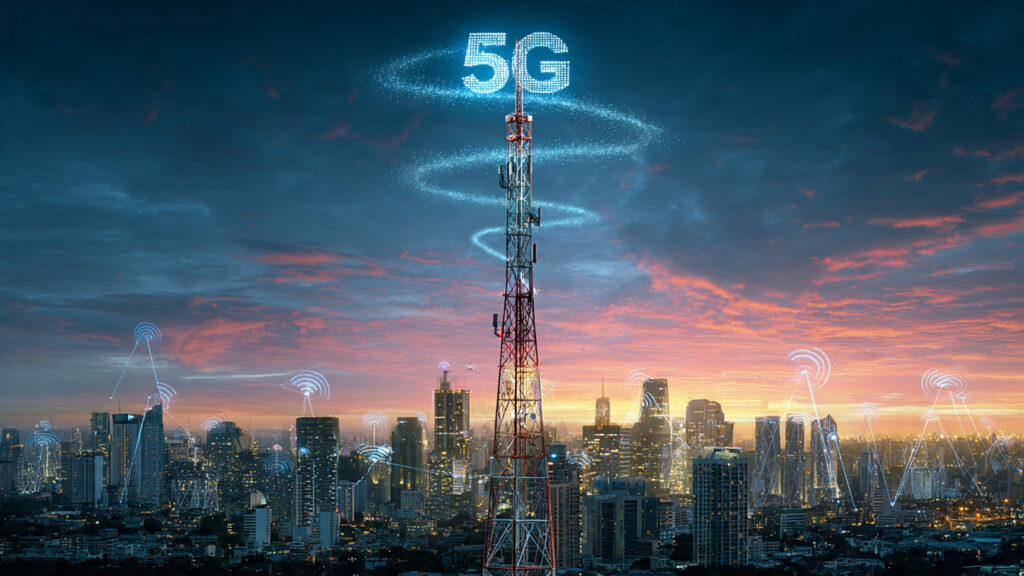
5G Connectivity
Ultra-fast internet will power smart cities, IoT devices, and advanced industries.
Blockchain Technology
It could improve transparency in governance and financial systems.
Smart Infrastructure
Cities will use digital systems to manage traffic, energy, and public services efficiently.
If implemented effectively, these technologies could make India one of the world’s leading digital economies.
Why Digital India Matters Emotionally

The rise of Digital India is not just about innovation—it is about hope, empowerment, and opportunity.
A student in a remote village can now access the same educational resources as someone in a big city. A small shopkeeper can reach customers across the country. A young entrepreneur can build a global startup from a small town.

Technology is becoming a great equalizer, bridging social and economic gaps.
Digital India is proof that when technology meets vision, an entire nation can transform.
FAQ Section
1. What is the Digital India initiative?
Digital India is a government initiative launched in 2015 to transform India into a digitally empowered society by improving internet connectivity, digital services, and technology access.
2. How has Digital India impacted daily life?
Digital India has made services such as banking, government documentation, education, and payments accessible online, improving convenience and efficiency.
3. What role does UPI play in Digital India?
UPI is one of the most important digital payment systems that allows instant bank-to-bank transactions through smartphones.
4. How is Digital India helping rural areas?
Digital services are bringing online education, digital banking, telemedicine, and agricultural market access to rural communities.
5. What is the future of Digital India?
Future growth will be driven by AI, 5G technology, blockchain, and smart city infrastructure.
Conclusion
The rise of Digital India represents a historic transformation that is reshaping the country’s future. With millions of citizens coming online, businesses welcoming and accepting technology, and government services going digital, India is moving toward a more connected, transparent, and innovative society.
However, sustaining this growth requires addressing challenges such as digital literacy, cybersecurity, and connectivity gaps.
If these issues are managed effectively, Digital India has the potential to become one of the greatest technological transformations of the 21st century.

✅ Recommended Supporting Articles : (Coming Soon)
- UPI and the Digital Payment Revolution in India
- Top Technologies Shaping India’s Digital Economy
- How Artificial Intelligence is Transforming India
- The Growth of India’s Startup Ecosystem
- How Technology is Transforming Rural India
- The Future of Artificial Intelligence in India
- Top 10 Indian Startups Transforming the Economy