

Introduction
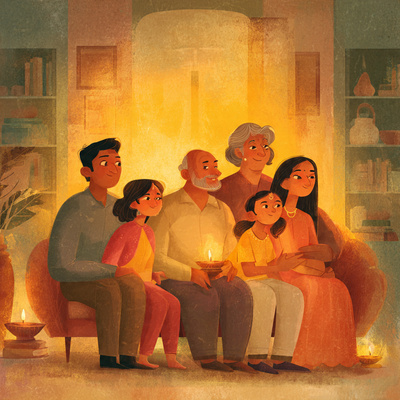
Family has always been the heart of Indian society. Across generations, Indian families have passed down traditions, cultural practices, and moral values that shape individuals and communities. In a rapidly modernizing world, the strength of Indian family values continues to provide emotional stability, social support, and a strong sense of identity.
The power of Indian family values lies in the deep connections between family members, respect for elders, shared responsibilities, and the belief that family always comes first. These values have helped Indian society remain resilient even in times of change and challenge.
In this article, we explore how Indian family values influence personal growth, strengthen communities, and continue to play an important role in shaping modern India.
Understanding Indian Family Values
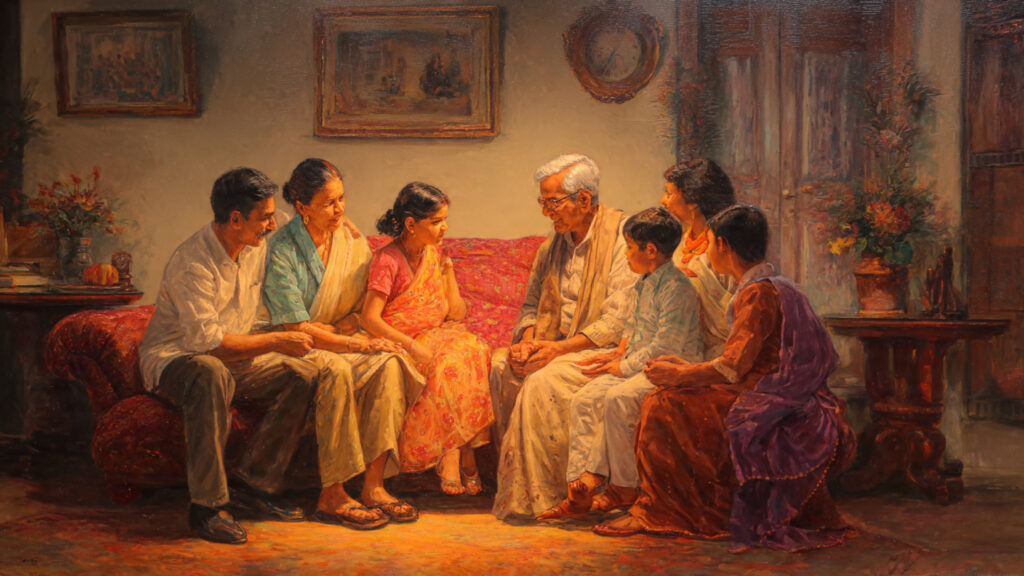
Indian family values are rooted in traditions that emphasize love, respect, unity, and responsibility. Families are not just groups of individuals living together; they are emotional support systems where members care for each other through every stage of life.
Some core principles of Indian family values include:
- Respect for elders
- Strong emotional bonds
- Collective decision-making
- Support during difficulties
- Preservation of traditions
These values are deeply embedded in daily life and are often passed down from one generation to the next through storytelling, rituals, and family customs.
The Role of Joint Family Systems
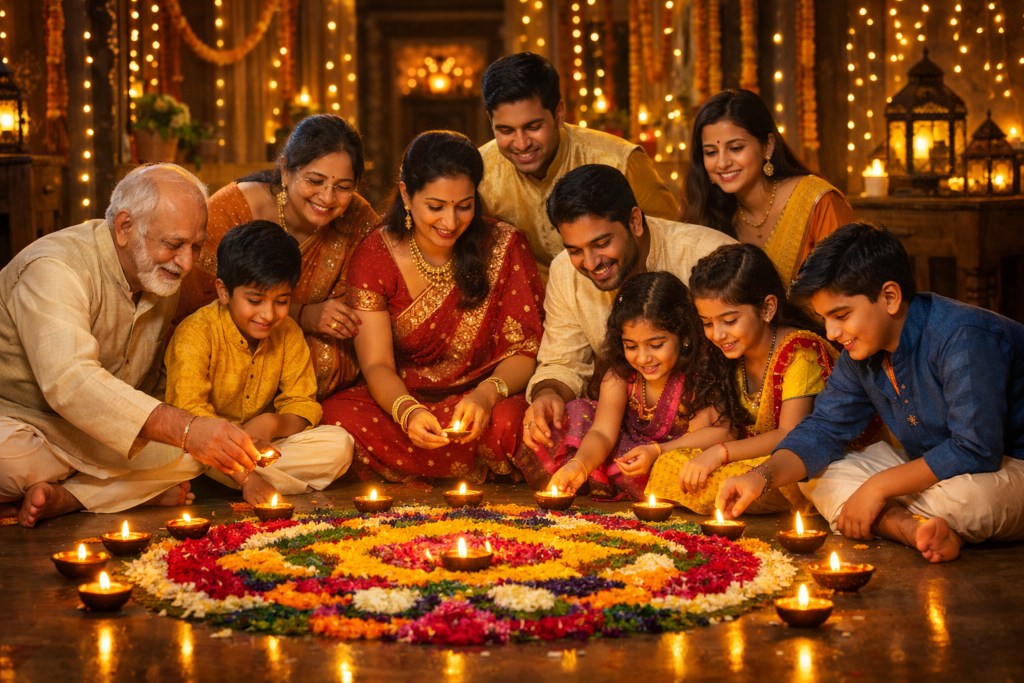
One of the most distinctive aspects of Indian culture is the traditional joint family system, where multiple generations live together under one roof. Grandparents, parents, children, and sometimes even extended relatives share responsibilities and resources.
In such families, elders often serve as guides and mentors, providing wisdom and life lessons to younger members. Children grow up surrounded by affection, care, and guidance from many family members.
The joint family system offers several benefits:
- Emotional security
- Shared financial responsibilities
- Stronger family bonds
- Cultural continuity
Although urbanization and modern lifestyles have led to more nuclear families, the spirit of the joint family system continues to influence Indian society.
Respect for Elders and Wisdom of Generations
Respect for elders is one of the most important values in Indian families. Elders are seen as sources of knowledge, experience, and guidance.
From childhood, Indian children are taught to listen to their elders, seek their blessings, and learn from their life experiences. This tradition helps preserve cultural knowledge and strengthens relationships within the family.
Grandparents, in particular, play a vital role in nurturing children. They often share stories about history, traditions, and moral values, helping young minds understand the importance of ethics, patience, and kindness.
This respect for elders creates a culture where wisdom is valued and family bonds remain strong.
Family as the First School of Life
In India, the family is often considered the first and most important school. Before children step into classrooms, they learn essential life lessons at home.
Parents teach their children values such as honesty, compassion, discipline, and responsibility. Everyday interactions within the family help children develop emotional intelligence and social skills.
Some key lessons children learn from their families include:
- The importance of respect and empathy
- The value of hard work and perseverance
- The significance of sharing and cooperation
- The importance of cultural traditions
These lessons help shape individuals who are not only successful but also socially responsible.
Celebrating Festivals Together
Festivals play an important role in strengthening family bonds in India. Celebrations bring relatives together, creating moments of joy, togetherness, and cultural pride.
Popular festivals such as Diwali, Holi, and Durga Puja are often celebrated with great enthusiasm within families.
During these festivals, families gather to perform rituals, cook traditional food, exchange gifts, and share happiness. These celebrations help reinforce cultural traditions and create lasting memories for younger generations.
Festivals also serve as opportunities for families to reconnect, especially when members live in different cities or countries.
Emotional Support and Stability
One of the greatest strengths of Indian family values is the emotional support that family members provide to each other.
In times of joy or hardship, families stand together. Whether it is celebrating achievements, supporting someone during illness, or facing financial challenges, the family acts as a safety net.
This strong support system helps individuals cope with stress, build confidence, and overcome difficulties.
In a world where loneliness and mental health challenges are increasing, the emotional strength of Indian families plays a crucial role in maintaining well-being.
Family Values in the Modern Era
Modern India is experiencing rapid changes due to urbanization, globalization, and technological advancements. Many young people move to different cities or countries for education and career opportunities.
Despite these changes, family values continue to remain important. Even in nuclear families, the principles of respect, care, and responsibility remain strong.
Technology has also helped families stay connected. Video calls, messaging apps, and social media allow family members to communicate regularly, even when they live far apart.
Young Indians are increasingly balancing modern lifestyles with traditional values, creating a unique blend of progress and cultural identity.
The Role of Women in Strengthening Family Values
Women have always played a central role in nurturing and preserving family values in India. Mothers, grandmothers, and daughters contribute significantly to maintaining harmony within the household.
They often act as caregivers, educators, and emotional anchors for the family. Through their dedication and compassion, they ensure that traditions, customs, and moral values continue to be passed down to future generations.
Today, Indian women are successfully balancing professional careers with family responsibilities, demonstrating strength, resilience, and leadership.
Their contributions are essential in maintaining the cultural and emotional foundation of Indian families.
Passing Values to the Next Generation
The continuity of Indian family values depends on how effectively they are passed to the younger generation.
Parents and elders play an important role in teaching children about their cultural heritage and responsibilities toward family and society.
Some ways families pass on these values include:
- Sharing stories from history and mythology
- Celebrating cultural traditions and rituals
- Encouraging respect for elders
- Teaching the importance of kindness and generosity
When children grow up understanding these values, they carry them forward into their own lives and future families.
Challenges to Traditional Family Values
While Indian family values remain strong, modern society presents certain challenges.
Urbanization, busy work schedules, and increasing individualism can sometimes reduce the amount of time families spend together. In addition, generational differences may create conflicts between traditional expectations and modern lifestyles.
Some common challenges include:
- Balancing work and family life
- Reduced interaction among family members
- Generational gaps in beliefs and attitudes
- Changing family structures
Addressing these challenges requires open communication, mutual respect, and a willingness to adapt while preserving core values.
The Global Influence of Indian Family Values
Indian family values are increasingly being recognized around the world for their emphasis on relationships, respect, and community.
In many parts of the world, the importance of strong family bonds is being rediscovered as societies seek ways to improve emotional well-being and social harmony.
Indian diaspora communities have also played a role in sharing these values globally. Families living abroad continue to celebrate traditions, maintain close relationships, and teach their children about their cultural heritage.
This global influence highlights the timeless relevance of Indian family values.
Conclusion
The power of Indian family values lies in their ability to create strong relationships, nurture emotional well-being, and preserve cultural traditions across generations.
Despite the rapid changes brought by modernization and globalization, these values continue to guide individuals and strengthen communities. They provide a foundation of love, respect, and responsibility that helps individuals navigate life’s challenges.
As India moves forward into the future, maintaining and nurturing these values will remain essential for building a compassionate, resilient, and culturally rich society.
Indian family values are not just traditions of the past—they are guiding principles that continue to shape the present and inspire the future.
FAQs
What are Indian family values?
Indian family values refer to traditions that emphasize respect for elders, strong family bonds, shared responsibilities, and emotional support within families.
Why are family values important in Indian culture?
Family values provide emotional security, moral guidance, and cultural continuity, helping individuals grow with strong ethics and social responsibility.
What is the joint family system in India?
The joint family system is a traditional family structure where multiple generations live together and share responsibilities, promoting unity and mutual support.
Are Indian family values changing today?
While modern lifestyles have introduced nuclear families, the core values of respect, care, and responsibility remain deeply rooted in Indian society.
How do festivals strengthen Indian family values?
Festivals such as Diwali, Holi, and Durga Puja bring families together, strengthening relationships and preserving traditions.