
A journey through India’s languages, traditions, and lifestyles.
Explore India’s cultural diversity and the concept of unity in diversity. Learn about languages, religions, traditions, and festivals that define India’s unique identity.
India’s Cultural Diversity: Unity in Diversity
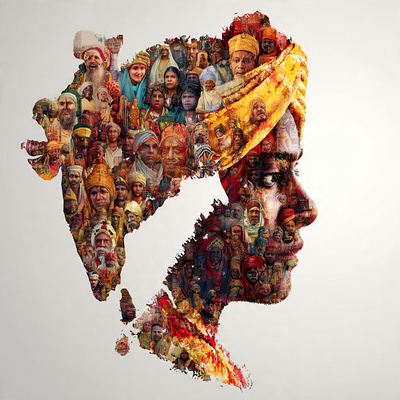
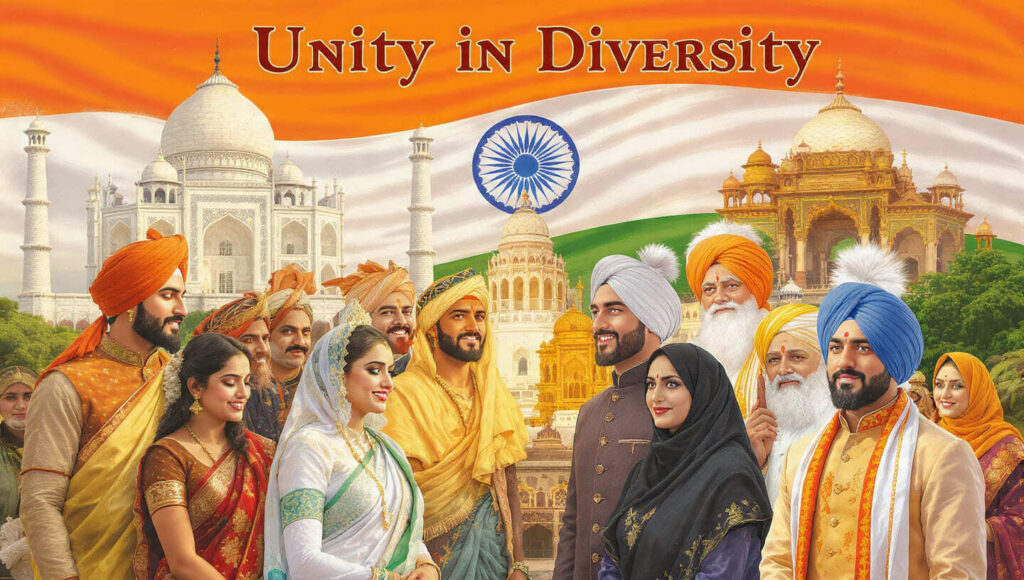
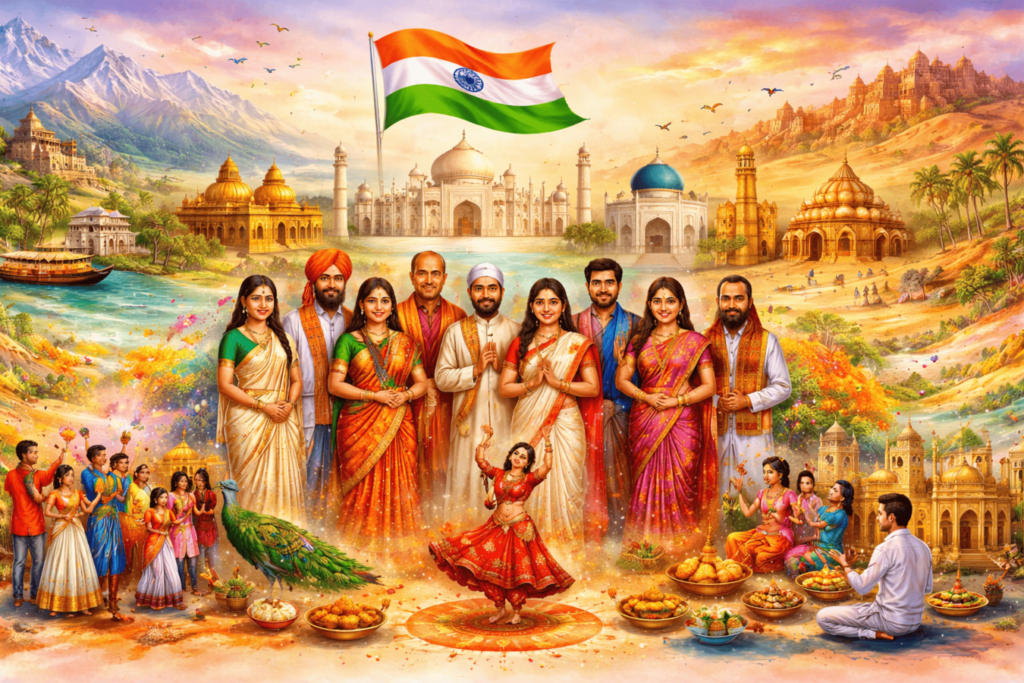
India’s famous “Unity in Diversity” symbolizes a distinctive social fabric in which a wide range of cultures, languages, and faiths coexist under a common national identity. The phrase, which was first used by Jawaharlal Nehru in his book The Discovery of India, means “unity without uniformity” and “diversity without fragmentation.” India is among the world’s most culturally varied and rich countries. India, which is renowned for its idea of “Unity in Diversity,” skillfully combines various cultures, customs, faiths, and languages into a single, cohesive identity.
Cultural Diversity Across Regions
Geographical, historical, and climatic factors influence regional cultural diversity, leading to unique languages, customs, and lifestyles. This is especially true in countries like India, which has more than 1,600 languages and many different cultural areas. These areas differ in their hilly, desert, and coastal topography and have distinctive social structures including matrilineal groups. Every Indian region, from the backwaters of Kerala to the deserts of Rajasthan, has a unique culture. Though they differ greatly, traditional clothing, eating habits, artistic expressions, and customs all help to create a cohesive national identity.
Religious Diversity and Harmony
India is home to many religions including Hinduism, Islam, Christianity, Sikhism, Buddhism, and Jainism. Festivals like Diwali, Eid, Christmas, and Baisakhi are celebrated across communities, reflecting mutual respect and coexistence.
Richness of Linguistics
Thousands of dialects and 22 official languages are recognized in India. The linguistic diversity that flourishes in daily life is exemplified by languages like Telugu, Bengali, Tamil, and Hindi.
Festivals That Unite
Indian festivals go beyond religion—they are celebrations of togetherness. Whether it’s Holi, Durga Puja, or Pongal, festivals strengthen social bonds and promote unity.
Blend of Tradition and Modernity
India preserves its ancient traditions like yoga and Ayurveda while embracing modern advancements in technology and global culture. This balance reflects its dynamic and evolving identity.
Why Unity in Diversity Matters
By accepting cultural, religious, and linguistic distinctions as assets rather than obstacles, unity in variety increases national cohesion, develops social harmony, and advances peace. By bringing together different viewpoints, it promotes respect, empathy, and creativity, ultimately resulting in a society that is more resilient, inventive, and peaceful. Indians have similar principles of harmony, tolerance, and respect despite differences in language, religion, and culture. India’s power and worldwide identity are based on this togetherness.
FAQs
Q1. What is meant by unity in diversity in India?
It means people of different cultures, religions, and languages live together in harmony.
Q2. Why is India called a culturally diverse country?
Because of its vast number of ethnic groups, traditions, and languages.
Q3. How many official languages are there in India?
There are 22 officially recognized languages.
Q4. What are examples of cultural diversity in India?
Different cuisines, festivals, clothing styles, and traditions across regions.
Q5. How does India maintain unity?
Through shared cultural values, democracy, and mutual respect.