

How artificial intelligence is transforming industries and everyday life.
AI and the Future of India: How Artificial Intelligence is Transforming Business, Education, Healthcare, and Daily Life
Artificial Intelligence is reshaping India’s economy and society. Discover how AI is transforming industries, education, healthcare, and everyday life while driving India’s digital future.
AI and the Future of India: How Artificial Intelligence is Transforming Industries and Everyday Life
Artificial Intelligence is no longer a concept of the future—it is already shaping the present. From smartphones that understand our voice commands to hospitals using AI-powered diagnostics, the technology is rapidly becoming an integral part of everyday life.
India, known for its strong IT industry and growing startup ecosystem, is emerging as a major hub for Artificial Intelligence innovation. With government initiatives, tech startups, and global investments, the country is witnessing a transformation that could redefine industries, employment, and economic growth.
The rise of AI in India is not just about machines and algorithms. It is about improving lives, creating opportunities, and preparing the nation for a digital-first future.
The Rise of Artificial Intelligence in India


4
India’s AI journey has accelerated in the last decade. With a strong base of software engineers, a thriving startup ecosystem, and government-backed digital initiatives, the country is becoming a global technology powerhouse.
The government has recognized AI as a strategic priority. Initiatives like Digital India, Startup India, and national AI missions are encouraging research, development, and deployment of AI technologies across sectors.
Several Indian startups are developing AI-powered solutions in areas such as fintech, healthcare diagnostics, agriculture analytics, and language processing. At the same time, global tech companies are investing heavily in AI research centers across Indian cities like Bengaluru, Hyderabad, and Pune.
This growing ecosystem is creating a powerful blend of innovation, entrepreneurship, and technological advancement.
AI in Business: Revolutionizing Indian Industries
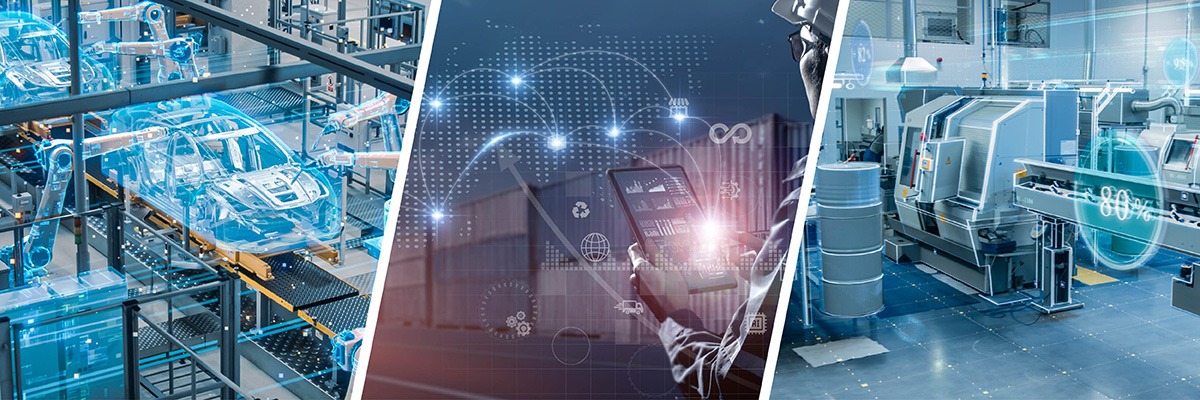
Artificial Intelligence is transforming the way businesses operate in India. Companies are using AI to automate processes, analyze large volumes of data, and improve decision-making.
Data-Driven Decision Making
Businesses today generate enormous amounts of data. AI tools help companies analyze this information to identify trends, predict customer behavior, and optimize operations.
Retail companies, for example, use AI to recommend products, forecast demand, and manage inventory more efficiently.
AI in Financial Technology (FinTech)
India’s digital payment revolution has also been powered by AI. Fintech companies are using machine learning algorithms to detect fraud, assess credit risk, and personalize financial services.
This has made financial services faster, more secure, and accessible to millions of people across the country.
Automation in Manufacturing
Manufacturing industries are adopting AI-driven automation to improve productivity and reduce operational costs. Smart factories equipped with AI systems can monitor equipment performance, predict maintenance needs, and optimize production lines.
As industries adopt AI technologies, businesses are becoming more efficient, competitive, and innovative.
AI in Healthcare: Saving Lives with Smart Technology
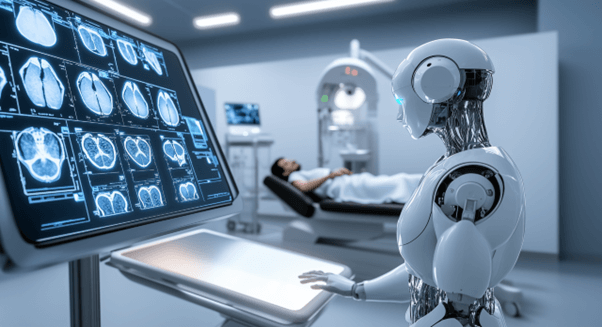
Healthcare is one of the sectors where Artificial Intelligence is making a profound impact.
Early Disease Detection
AI-powered diagnostic systems can analyze medical images and patient data to detect diseases at an early stage. In India, where healthcare access is limited in rural areas, AI tools can help doctors identify conditions like cancer, heart disease, and tuberculosis faster and more accurately.
Telemedicine and Remote Healthcare
AI-driven telemedicine platforms allow patients to consult doctors online, reducing the need for hospital visits. This technology has become especially important in rural and remote areas where medical infrastructure is limited.
Predictive Healthcare
Machine learning models can analyze patient history to predict potential health risks. This allows doctors to take preventive measures before serious health issues arise.
The integration of AI in healthcare is helping doctors save time, improve accuracy, and ultimately save lives.
AI in Education: Transforming Learning in India


Education is undergoing a major transformation thanks to AI-powered learning platforms.
Personalized Learning
AI tools can analyze a student’s learning pattern and adapt lessons accordingly. This helps students learn at their own pace, making education more effective and engaging.
AI Tutors and Virtual Assistants
Many educational platforms now use AI-powered chatbots to answer student queries, provide study recommendations, and assist teachers in managing classrooms.
Bridging the Education Gap
India faces challenges in providing quality education to millions of students. AI-powered digital learning platforms are helping bridge this gap by providing access to quality content regardless of location.
These technologies are shaping a new generation of learners prepared for the digital future.
AI in Everyday Life: From Smartphones to Smart Homes
Artificial Intelligence is not limited to industries—it is already part of our daily routines.
Voice assistants help us search information, set reminders, and control smart devices. Navigation apps use AI to analyze traffic data and suggest the fastest routes. Streaming platforms recommend movies and music based on our preferences.
Even smartphones use AI to enhance camera quality, improve battery management, and provide real-time language translation.
Without realizing it, millions of Indians interact with AI-powered systems every day.
Challenges and Ethical Concerns of AI
While AI offers immense opportunities, it also raises important challenges.
Job Displacement
Automation could replace certain jobs, especially repetitive tasks. However, it will also create new roles in data science, AI engineering, and digital innovation.
Data Privacy and Security
AI systems rely heavily on data. Ensuring the privacy and security of personal information is a major concern.
Ethical Use of AI
Governments and organizations must ensure that AI systems are transparent, fair, and free from bias.
Balancing innovation with responsible development will be crucial for the sustainable growth of AI technologies.
The Road Ahead: India’s AI-Powered Future
India stands at a critical moment in its technological journey. With the right investments in research, education, and infrastructure, the country can become a global leader in Artificial Intelligence.
AI has the potential to boost economic growth, create millions of jobs, and improve the quality of life for citizens.
But more importantly, it can help solve some of the country’s biggest challenges—from healthcare accessibility to agricultural productivity and urban planning.
The future of India may very well be powered by Artificial Intelligence.
Frequently Asked Questions (FAQ)
What is Artificial Intelligence?
Artificial Intelligence (AI) refers to computer systems that can perform tasks that normally require human intelligence, such as learning, reasoning, and decision-making.
How is AI used in India?
AI is used in various sectors in India including healthcare, finance, education, agriculture, transportation, and customer service.
Will AI replace jobs in India?
AI may automate some tasks, but it will also create new jobs in technology, data analysis, and AI development.
How is the Indian government supporting AI development?
The government promotes AI through initiatives like Digital India, startup funding programs, and national AI strategies focused on research and innovation.
Why is AI important for India’s future?
AI can boost productivity, improve public services, enhance healthcare and education, and drive economic growth.