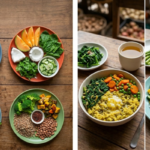
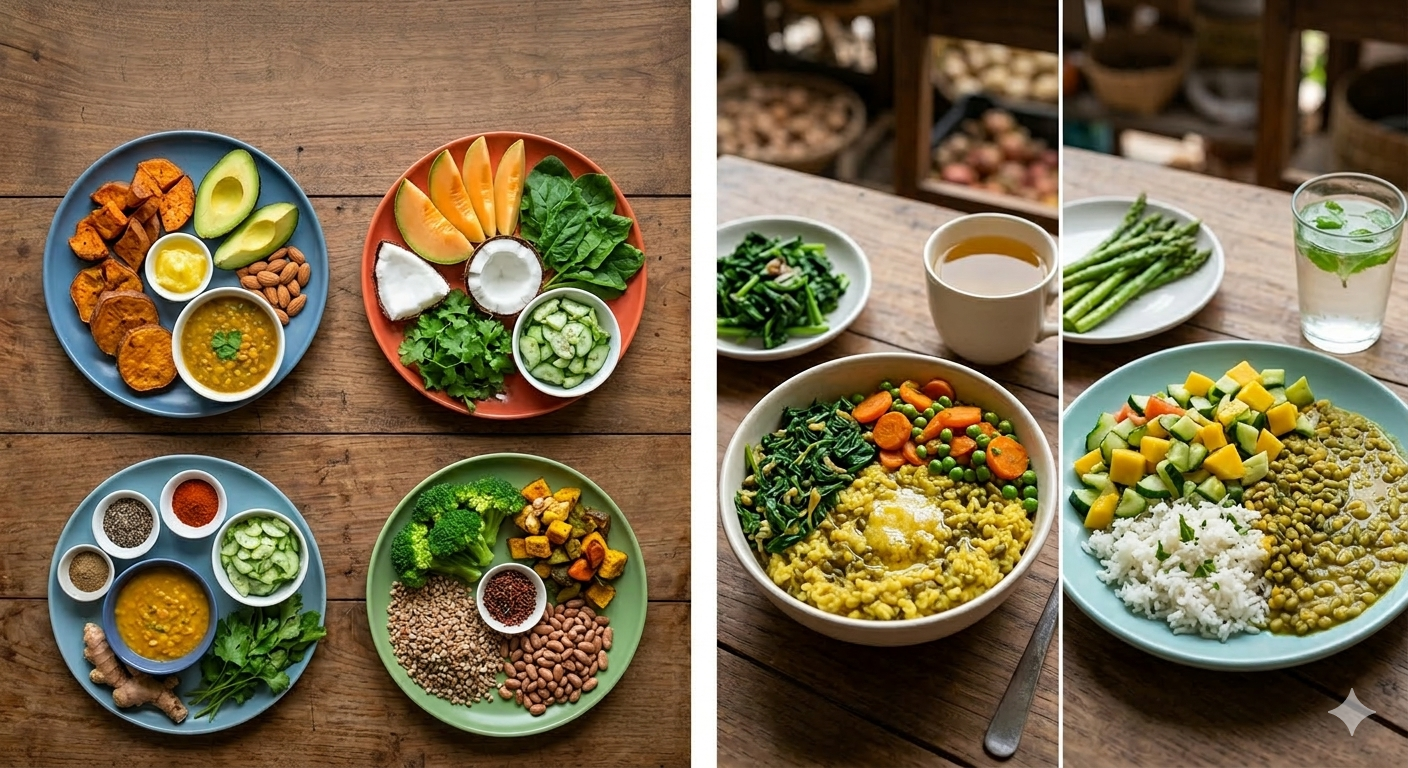

According to Ayurveda, every individual has a unique body constitution known as Dosha—Vata, Pitta, or Kapha. Eating the right foods based on your dosha can help maintain balance, improve digestion, and prevent health issues. An Ayurvedic diet focuses on natural, seasonal, and wholesome foods that nourish the body and mind. Understanding which foods support your body type and which to avoid can lead to better energy levels and long-term wellness.
In recent years, more people have begun exploring holistic health practices to improve their lifestyle and overall well-being. Among these ancient wellness systems, Ayurveda stands out as one of the oldest and most comprehensive approaches to health. Originating in India over 5,000 years ago, Ayurveda focuses on balancing the body, mind, and spirit through diet, lifestyle, and natural remedies.
One of the most important aspects of Ayurveda is understanding your dosha, which determines your physical and mental characteristics. According to classical Ayurvedic texts like the Charaka Samhita, maintaining balance among the three doshas—Vata, Pitta, and Kapha—is essential for good health.
This Ayurvedic diet guide explains what to eat according to your dosha and how the right foods can help restore balance and promote overall wellness.
What is an Ayurvedic Diet?
An Ayurvedic diet is a personalized approach to eating that focuses on balancing the three doshas in the body. Instead of following a one-size-fits-all meal plan, Ayurveda recommends foods based on your individual constitution.
The three primary doshas are:
- Vata – Associated with air and space
- Pitta – Associated with fire and water
- Kapha – Associated with earth and water
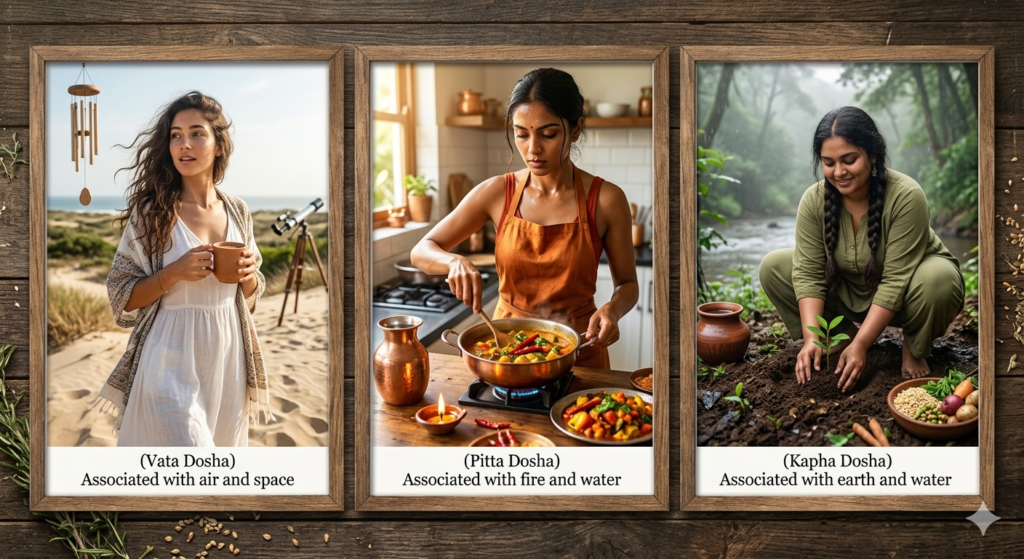
Each person has a unique combination of these doshas, but usually one or two dominate. Eating foods that balance your dominant dosha can help improve digestion, boost energy, and prevent illness.
Understanding the Three Doshas
Vata Dosha
Vata is associated with movement and is governed by the elements of air and space. People with a dominant Vata dosha often have a slim body type and a creative, energetic mind.
Common Vata Characteristics

- Dry skin and hair
- Cold hands and feet
- Irregular digestion
- Quick thinking and creativity
- Tendency toward anxiety or restlessness
Best Foods for Vata
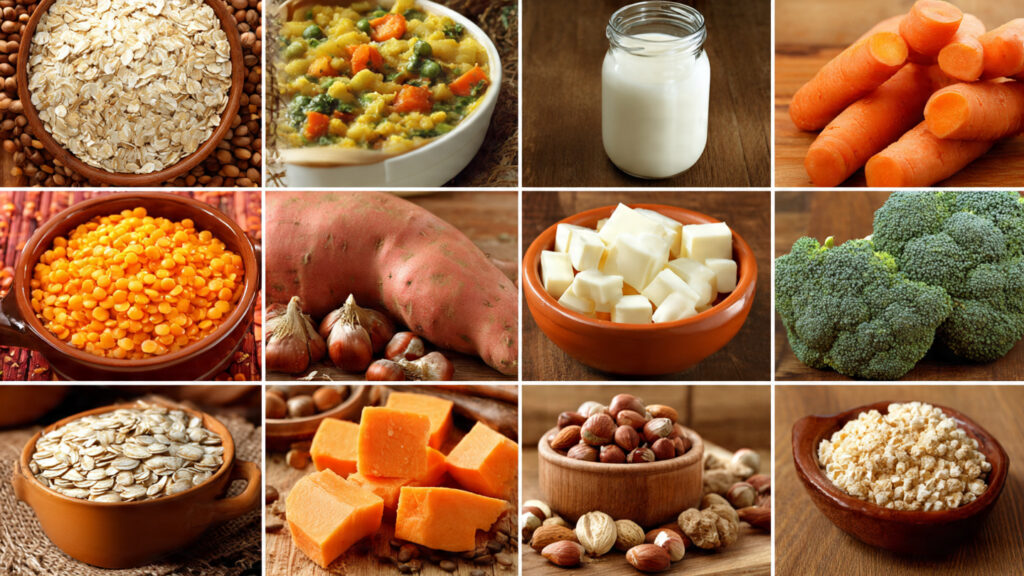
Vata individuals benefit from warm, moist, and nourishing foods that help stabilize energy levels.
Recommended foods include:
- Warm soups and stews
- Whole grains like rice and oats
- Root vegetables such as sweet potatoes and carrots
- Dairy products like milk and ghee
- Nuts and seeds
Healthy fats are especially beneficial because they help counteract Vata’s dry qualities.
Foods to Avoid for Vata

Vata should limit foods that are cold, dry, or difficult to digest, including:
- Raw salads
- Cold drinks
- Processed snacks
- Excess caffeine
Eating regular meals and warm foods helps maintain balance for Vata types.
Pitta Dosha
Pitta is governed by the elements of fire and water and is responsible for metabolism and digestion. People with dominant Pitta often have strong digestion and a sharp intellect.

Common Pitta Characteristics
- Medium body build
- Strong appetite
- Warm body temperature
- Leadership qualities
- Tendency toward irritability or anger when imbalanced
Best Foods for Pitta
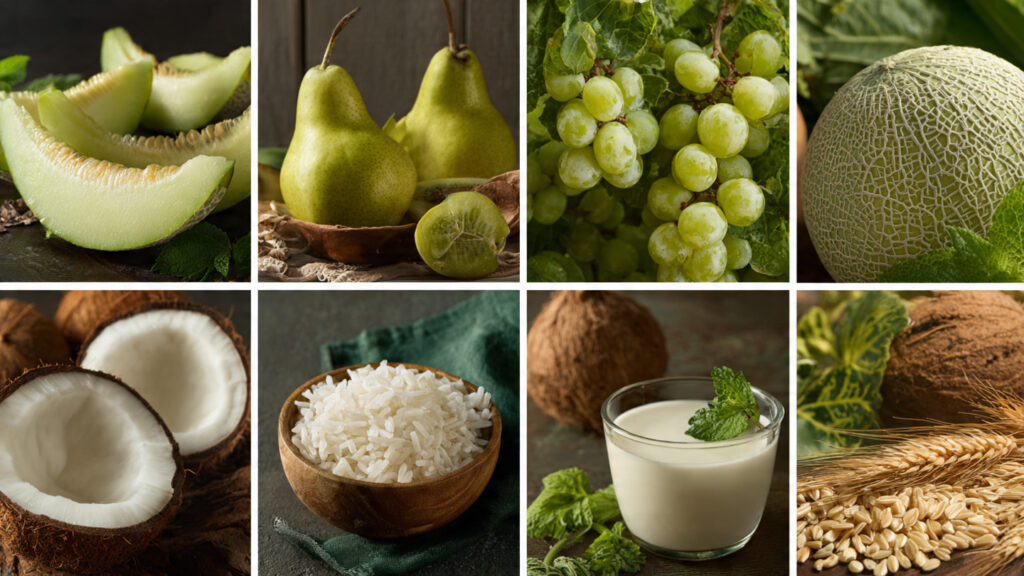
To balance Pitta, Ayurveda recommends cooling and calming foods.
Recommended foods include:
- Sweet fruits like melons, pears, and grapes
- Leafy green vegetables
- Coconut products
- Rice and barley
- Milk and herbal teas
Cooling herbs such as coriander and fennel are also beneficial.
Foods to Avoid for Pitta
Pitta individuals should limit foods that increase heat in the body, such as:
- Spicy foods
- Fried foods
- Alcohol
- Coffee
- Sour and fermented foods

A diet rich in fresh fruits and vegetables helps maintain Pitta balance.
Kapha Dosha
Kapha is associated with stability and structure and is governed by earth and water elements. People with dominant Kapha often have a strong build and calm personality.
Common Kapha Characteristics

- Solid body structure
- Slow metabolism
- Smooth skin
- Calm and compassionate personality
- Tendency toward weight gain and lethargy
Best Foods for Kapha
Kapha types benefit from light, warm, and stimulating foods.
Recommended foods include:
- Leafy greens
- Legumes and beans
- Spices such as ginger, turmeric, and black pepper
- Apples and berries
- Barley and quinoa
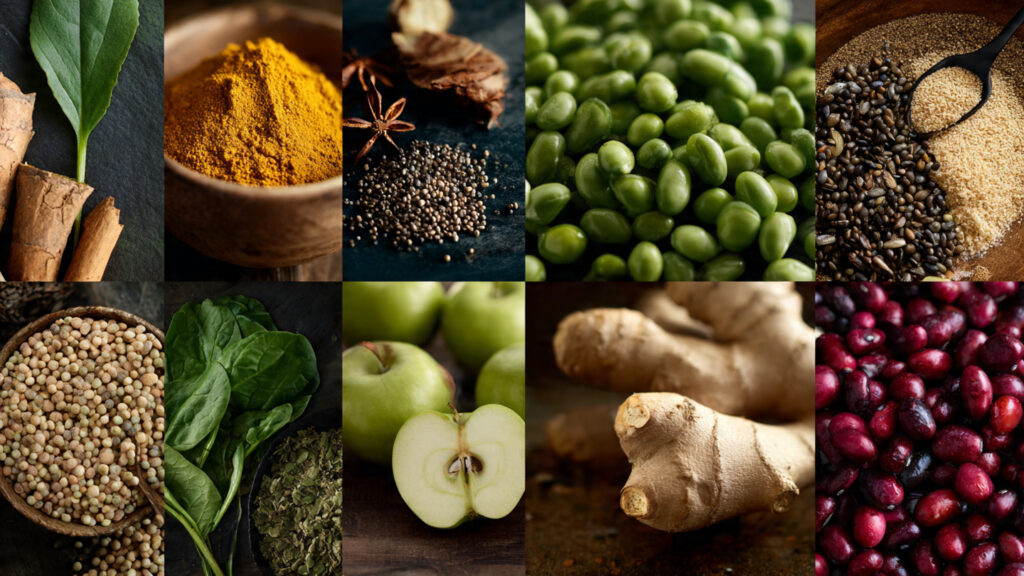
These foods help stimulate digestion and increase energy.
Foods to Avoid for Kapha
Kapha individuals should avoid heavy and oily foods, including:

- Fried foods
- Sugary desserts
- Excess dairy
- Processed foods
- Heavy grains
A lighter diet helps maintain balance and prevents sluggishness.
General Ayurvedic Eating Principles
In addition to eating according to your dosha, Ayurveda recommends certain universal eating habits that support digestion and health.
Eat Fresh and Seasonal Foods
Ayurveda emphasizes fresh, seasonal ingredients that align with nature’s cycles.
Practice Mindful Eating
Eating slowly and without distractions helps improve digestion and nutrient absorption.
Follow Regular Meal Times
Maintaining a consistent eating schedule helps regulate digestive fire (Agni).
Avoid Overeating
Eating moderate portions prevents digestive stress and maintains balance.
Ayurvedic Superfoods for Overall Health
Certain foods are widely recommended in Ayurveda because of their powerful healing properties.
Turmeric
Known for its anti-inflammatory properties, turmeric supports immunity and digestion.
Ghee
Clarified butter used in Ayurvedic cooking helps nourish tissues and improve digestion.
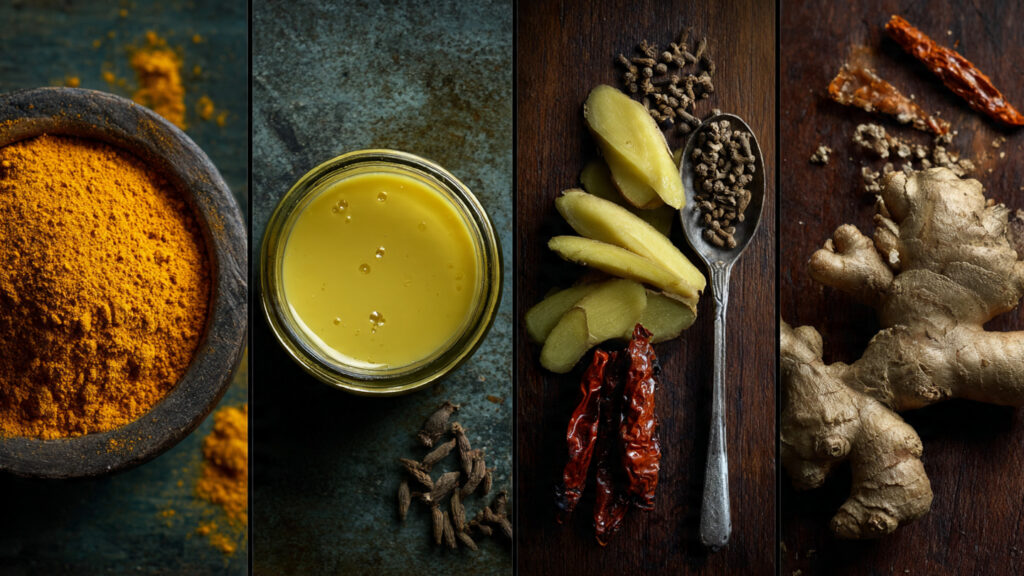
Ginger
Ginger stimulates digestive fire and helps reduce bloating.
Triphala
An herbal formulation often used in Ayurveda to support digestion and detoxification.
These ingredients have been widely discussed in Ayurvedic literature and traditional medicine.
Sample Ayurvedic Daily Meal Plan
Here is a simple example of a balanced Ayurvedic meal routine.
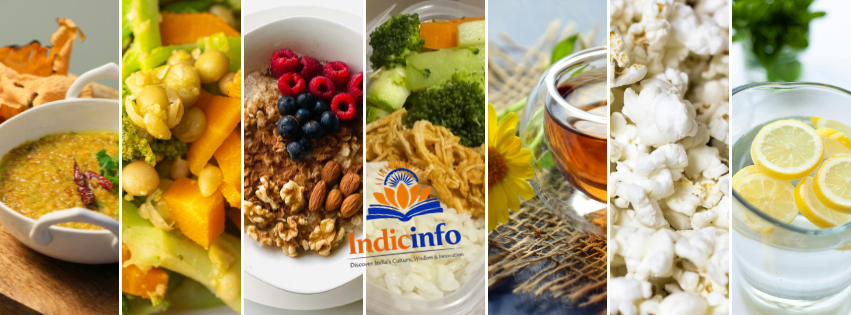
Morning
- Warm water with lemon
- Oatmeal with nuts and fruits
Lunch
- Rice or quinoa
- Cooked vegetables
- Lentil soup (dal)
Evening
- Herbal tea with light snacks
Dinner
- Vegetable soup or khichdi
- Steamed vegetables
Ayurveda generally recommends lighter dinners to support digestion before sleep.
Benefits of Following an Ayurvedic Diet
Following an Ayurvedic diet can provide several health benefits.
Improved Digestion
Eating according to your dosha supports digestive strength and nutrient absorption.
Better Energy Levels
Balanced nutrition helps maintain steady energy throughout the day.
Weight Management
Ayurvedic eating promotes natural weight balance without extreme dieting.
Stronger Immunity
Whole foods and natural spices support the body’s immune system.
Organizations such as the World Health Organization recognize the growing global interest in traditional wellness systems like Ayurveda for promoting preventive healthcare.
How to Identify Your Dosha
Understanding your dominant dosha is the first step in following an Ayurvedic diet.
You can determine your dosha through:
- Ayurvedic practitioner consultation
- Online dosha quizzes
- Observing physical and emotional traits
Most people have a combination of two doshas, with one being dominant.
Tips for Starting an Ayurvedic Diet
If you are new to Ayurveda, these simple tips can help you begin.
- Start by eating fresh and home-cooked meals.
- Include natural spices like turmeric, cumin, and ginger.
- Drink warm water instead of cold beverages.
- Eat according to your hunger levels.
- Maintain regular sleep and meal schedules.
Small lifestyle changes can gradually bring the body back into balance.
Conclusion
The Ayurvedic diet is more than just a meal plan—it is a holistic approach to living in harmony with your body and nature. By understanding your unique dosha and choosing foods that support balance, you can improve digestion, increase energy, and promote long-term health.
Ancient Ayurvedic wisdom teaches that food is medicine, and what we eat has a direct impact on our physical and mental well-being. Following an Ayurvedic diet allows you to nourish your body in a natural and sustainable way.
By making mindful food choices and embracing balanced living, you can experience the transformative benefits of Ayurveda and move toward a healthier, more balanced life.
FAQs
What is the Ayurvedic diet?
The Ayurvedic diet is a traditional eating approach based on balancing the three doshas—Vata, Pitta, and Kapha. It emphasizes fresh, natural foods and mindful eating to support overall health.
Can the Ayurvedic diet help with weight loss?
Yes. The Ayurvedic diet encourages balanced eating, improved digestion, and natural metabolism, which can support healthy weight management.
Is the Ayurvedic diet suitable for everyone?
Yes, but it is personalized according to individual body types and doshas. Understanding your constitution helps you choose the most beneficial foods.
How long does it take to see results with an Ayurvedic diet?
Many people notice improvements in digestion and energy within a few weeks of following Ayurvedic dietary principles consistently.